The Teacher’s Guide to Professional Development Hours: Earning Your Continuing Education Credits
4
minute read
|
August 2025
| Last updated:


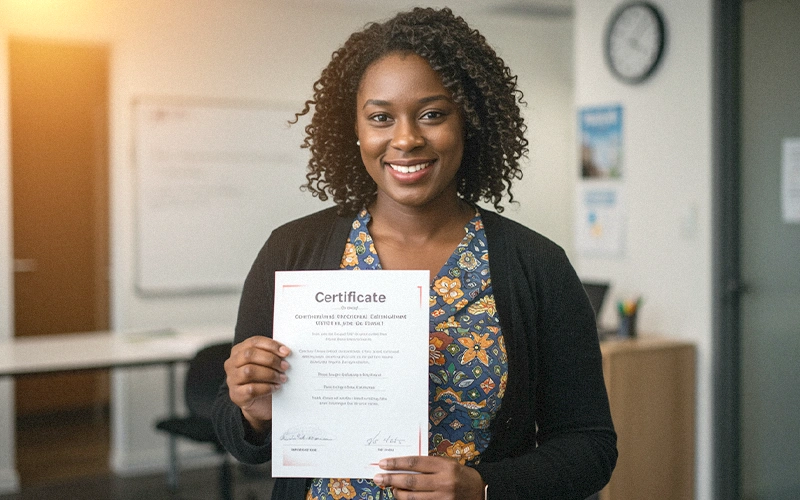
All educators know that learning doesn’t stop with a degree—professional development hours are a career-long requirement and opportunity. In this guide, we’ll demystify professional development (PD) requirements for teachers: what they are, why they matter, and how you can efficiently earn these credits to stay certified and grow as an educator. Whether you’re in Texas (where it’s called CPE), New York (where it’s CTLE), or another state with professional learning requirements, these insights will help you navigate continuing education with less stress and more impact on your teaching.
Professional development hours refer to ongoing training and learning activities that educators must complete to maintain active certification. The name and exact requirements vary by state:
The core idea is consistent: certified teachers and school leaders must log a required number of approved professional learning hours within each certification cycle (usually every 3–5 years).
For example, many states require around 100 to 150 hours every five years. Texas requires 150 CPE hours for classroom teachers and 200 for administrators. New York requires 100 CTLE hours over five years for professional teachers. Other states have similar ranges. A good rule of thumb is to plan on roughly 30 hours per year of continuing education as a common expectation.
Typically, fully certified educators—including classroom teachers, principals, counselors, and librarians—must earn these hours. Newer teachers with initial certificates may not need PD hours until they move to the professional tier. Veteran educators with lifetime certificates (in some states) may be exempt unless they opt into current certification standards. Always check your state’s certification guidelines to confirm your obligations.
At first, PD requirements can feel like a bureaucratic hoop. But quality professional development offers real benefits:

While exact rules vary, many activities typically count as professional development hours, as long as they’re relevant to education and offered by an approved provider:
Note: Most states require PD to be from approved sponsors—state departments, districts, universities, or accredited organizations. Always verify that your activities are accepted and keep documentation.

Meeting your required hours is important, but the value lies in the learning’s impact. Choose PD that challenges you, equips you with practical skills, and renews your teaching passion. Reflect on how you’ll apply new knowledge in your classroom to deepen your growth.
Professional development hours are more than a requirement—they’re an investment in your teaching craft and your students’ success. With thoughtful planning and the right resources, earning these hours can be a smooth and rewarding part of your career journey.
